Break Room Snacks and Drinks Are No Longer Deductible: What Business Owners Need to Know
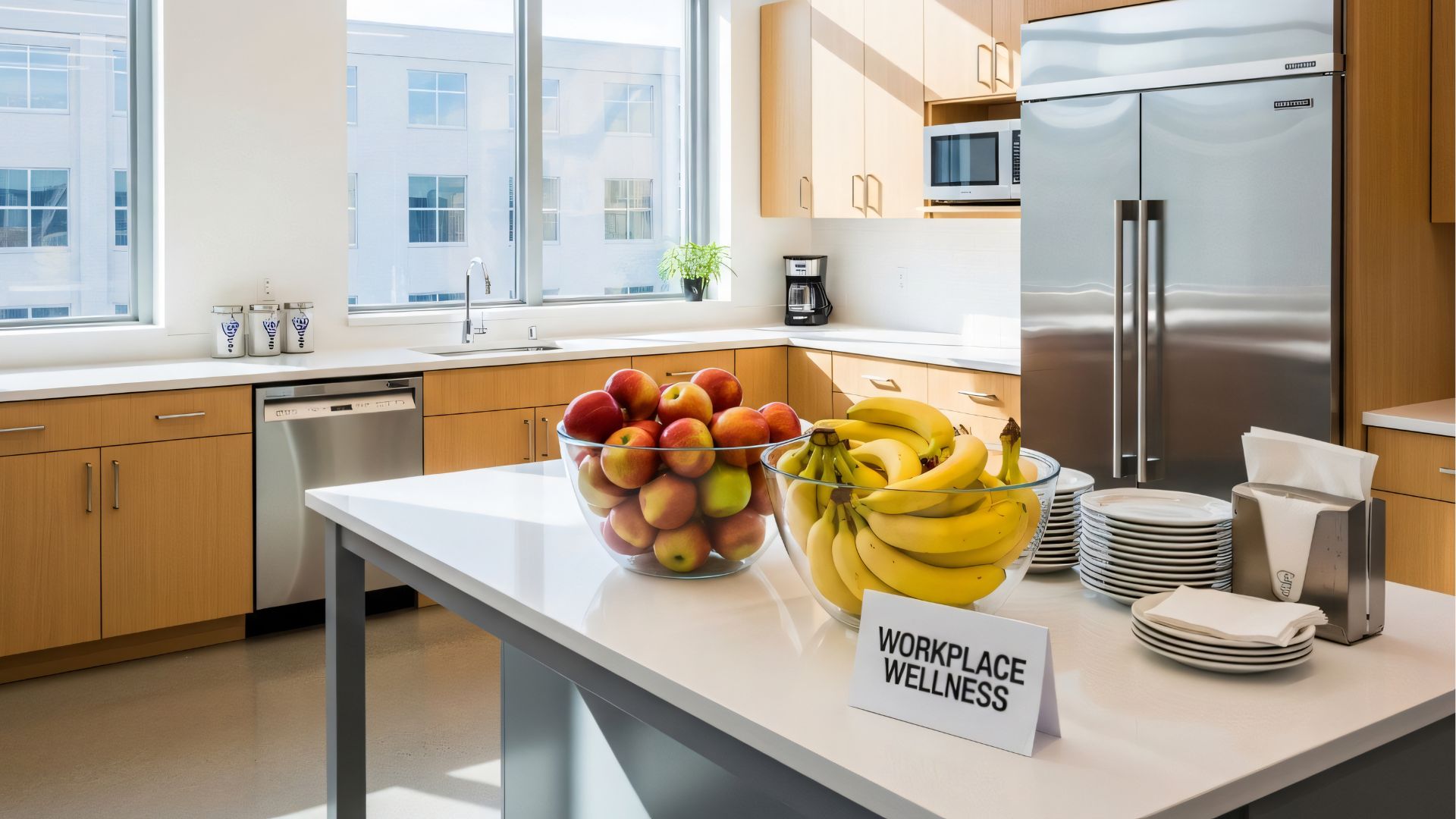
If you keep your break room stocked with snacks, bottled drinks, or coffee for your team, there’s a tax update you’ll want to know about. As of January 1, those everyday workplace refreshments are no longer deductible. Since TCJA, these items counted as Meals and were 50% deductible, but that benefit has officially ended.
Here’s what changed, why it matters, and how to adjust your bookkeeping going forward.
What Exactly Changed?
Under the previous IRS rules, common office refreshments — things like coffee, tea, water deliveries, sodas, and snack items — were treated as 50% deductible meals. This made it easy for employers to offer small perks that boosted morale without absorbing the full cost.
Beginning January 1, the TCJA provision has sunsetted and these items will be treated as nondeductible fringe benefits.
That means:
Snacks and drinks for staff
Coffee bar supplies
Pantry items or weekly water drop-offs
… no longer provide any tax deduction. This rule applies across the board — whether you’re an LLC, S-Corp, C-Corp, or sole proprietor.
Why This Change Matters
Individually, snacks and drinks don’t cost much. But over a month or a year, they add up. Many small businesses spend anywhere from $50 to several hundred dollars monthly to keep their break rooms stocked.
Under the old rules, half of that spending reduced your taxable income.
Under the new rules, none of it does.
You can still offer snacks if they make sense for your team culture — you’ll just need to treat those costs as fully nondeductible.
Who Needs to Pay Attention to This?
1. Small Business Owners With In-Office Staff
If you keep your break room stocked, this changes your monthly budgeting and tax planning.
2. DIY Bookkeepers
Many business owners still code snacks under "Meals" out of habit. Misclassifying these purchases can cause messy books and trouble at tax time.
3. S-Corp Owners Focused on Audit-Proof Books
Meals are already one of the IRS’s more closely reviewed categories. Keeping nondeductible items out of that bucket reduces risk and keeps your books cleaner.
4. Employers Offering Morale-Boosting Perks
You don’t have to stop offering snacks — just be aware that they no longer carry any tax benefit.
What’s Still Deductible?
While break room snacks are now off the table, several types of meals remain deductible:
Business meals with clients: 50% deductible
Meals provided for the employer’s convenience: rare and must meet specific IRS tests
Travel meals: 50% deductible
Company-wide gatherings: such as holiday parties or team events — 100% deductible
The key is classifying each expense based on its purpose, not simply where it was purchased.
How To Handle This in Your Bookkeeping
A clean chart of accounts will help avoid mistakes:
Stop coding snacks and drinks to Meals.
Add a new category like “Employee Snacks – Nondeductible.”
Update any rules in QuickBooks, Xero, or other software that auto-categorize transactions.
Share this update with your team or bookkeeper so they’re aligned.
Bring it up in your next quarterly bookkeeping review if you manage your own books.
These small updates keep your books accurate and your return audit-ready.
Bottom Line
Snacks may be small expenses, but the IRS’s new rule makes accurate categorization more important than ever. Treating these purchases correctly protects your deductions and keeps your books clean going into tax season.
If you need help adjusting your categories or want guidance on how this change affects your deductions, our team at Misty Newsome CPA LLC is here to help. Just reach out, and we’ll walk you through the updates step-by-step.


